Research Vision
- I study generative visual computing for creating and controlling visual content.
- I am interested in generative modeling and memory-inspired representation learning mechanisms.
- My long-term goal is to build interpretable intelligence that can support critical real-world problems.
My established research develops principled methods for controlling and extending generative models, with an emphasis on applicability across visual domains. This research has led to publications in computer vision and machine learning venues, including NeurIPS, CVPR, ECCV, ICML, and WACV.
I am also exploring how intelligent systems learn and organize representations, with a focus on learning mechanisms that support more interpretable behavior. This direction is inspired in part by memory and begins with retrieval, with the longer-term aim of extending toward generative modeling.
My long-term goal is to develop intelligent systems that can learn, generate, and adapt while allowing their principles to be understood. I believe these systems can eventually support scientific and engineering design and other domains that require precise generation and reliable reasoning.
Publications
* denotes equal contribution. † denotes corresponding author.
-
Variational Test-time Optimization for Diffusion Synchronization
Under review, 2026
Interprets collaborative generation as controlled sampling and optimizes test-time controls so multiple diffusion trajectories remain coherent while staying close to pretrained priors.
-
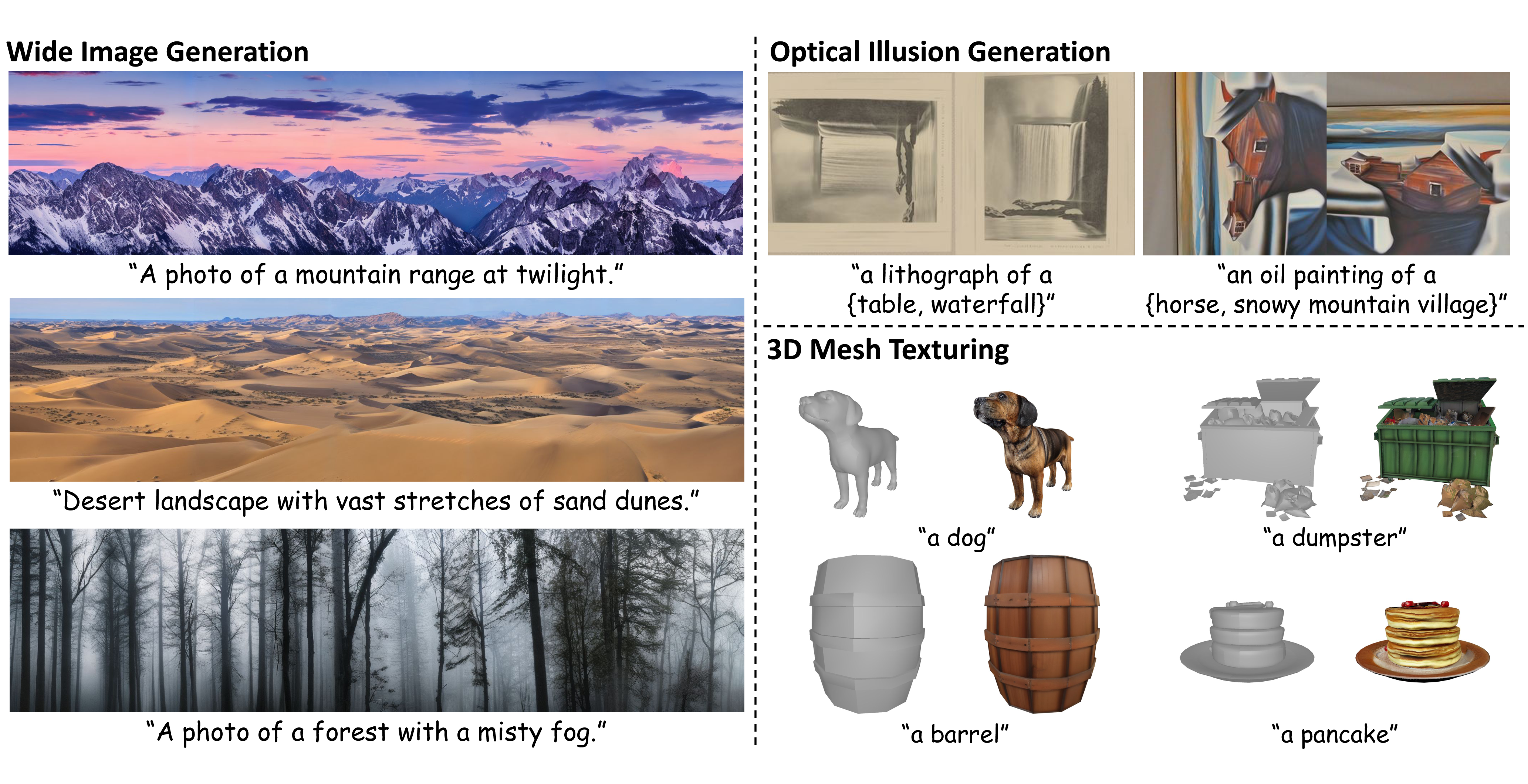
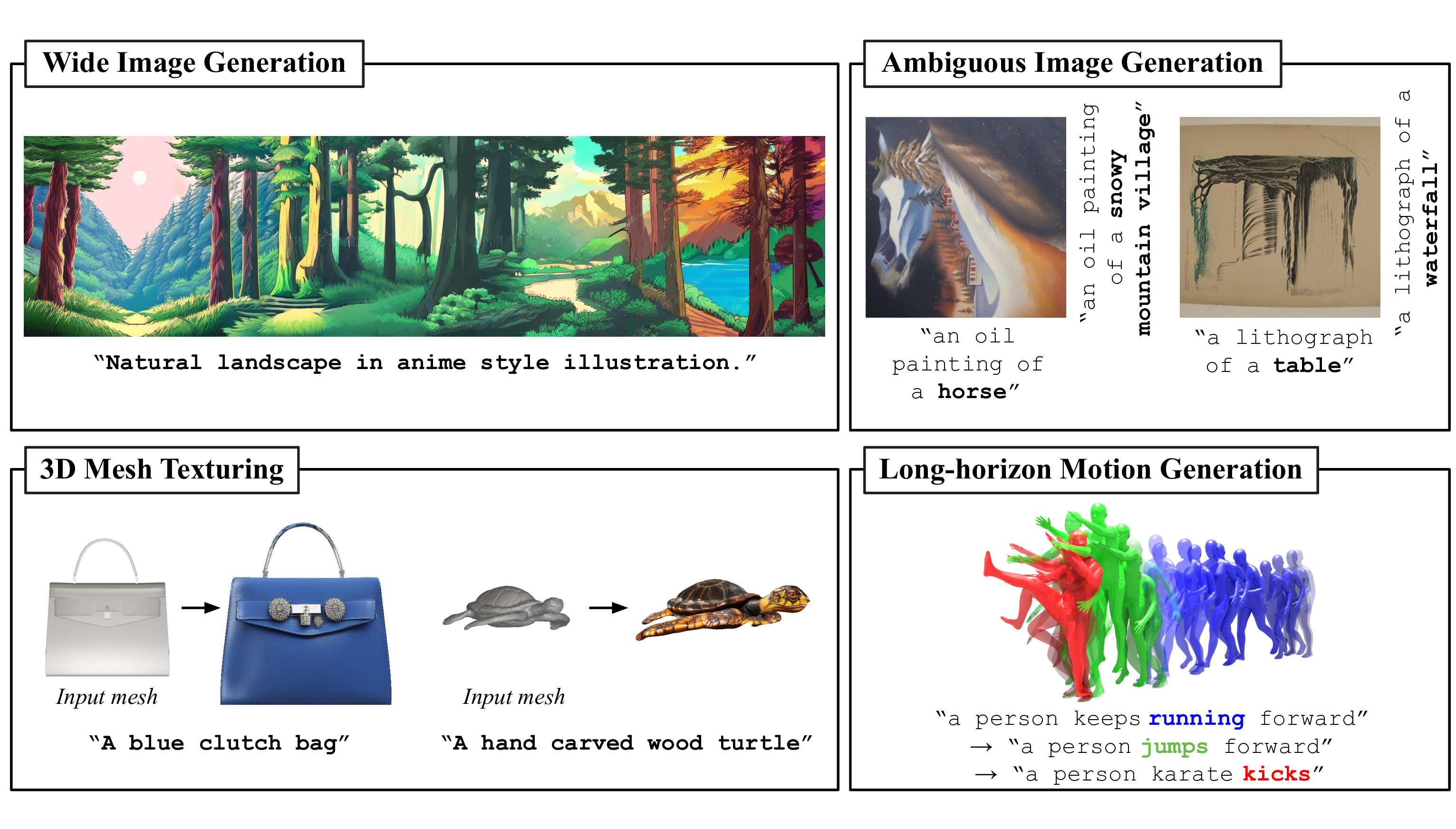
Accelerated Likelihood Maximization for Diffusion-based Versatile Content Generation
In ECCV, 2026
Turns pretrained generative models into versatile content generators by optimizing unobserved regions during sampling across images, human motion, video, and 3D domain.
-
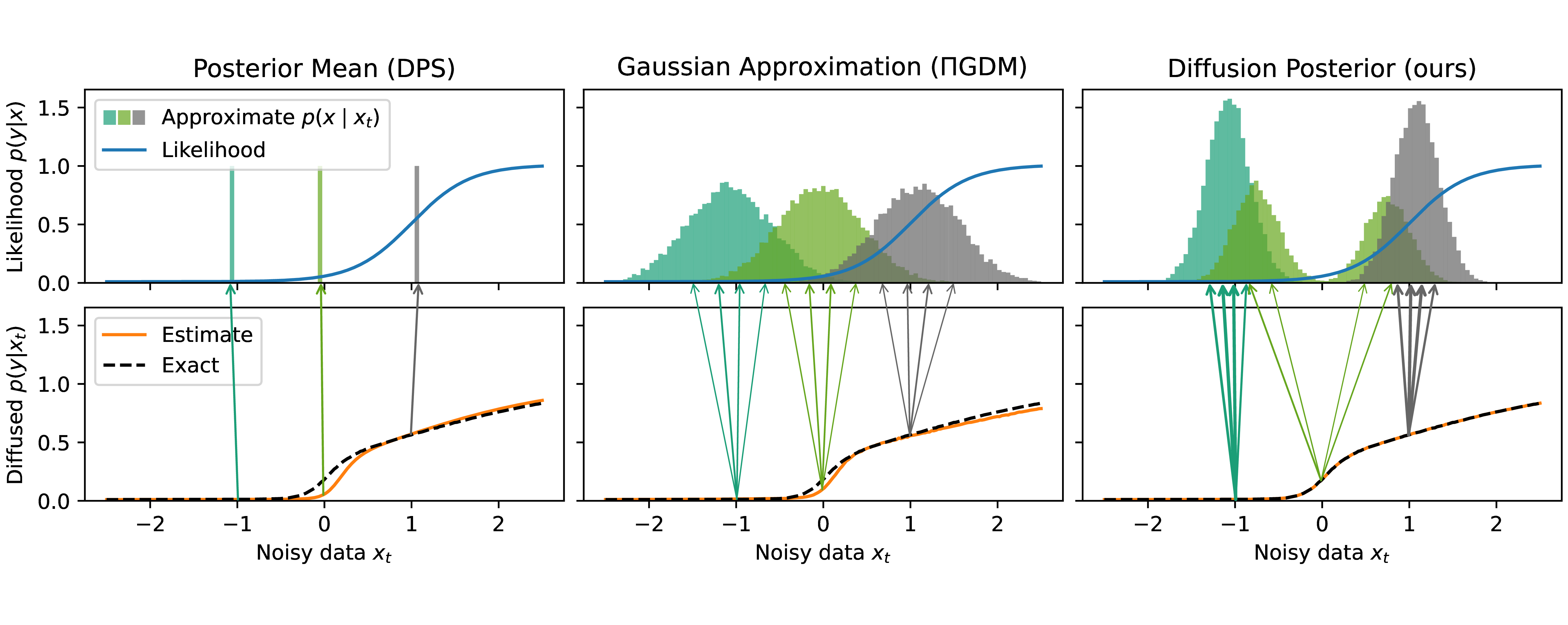
Calibrated Test-Time Guidance for Bayesian Inference
In ICML, 2026
Identifies why prior works on diffusion guidance can be posterior-miscalibrated and develops consistent estimators for Bayesian posterior sampling.
-
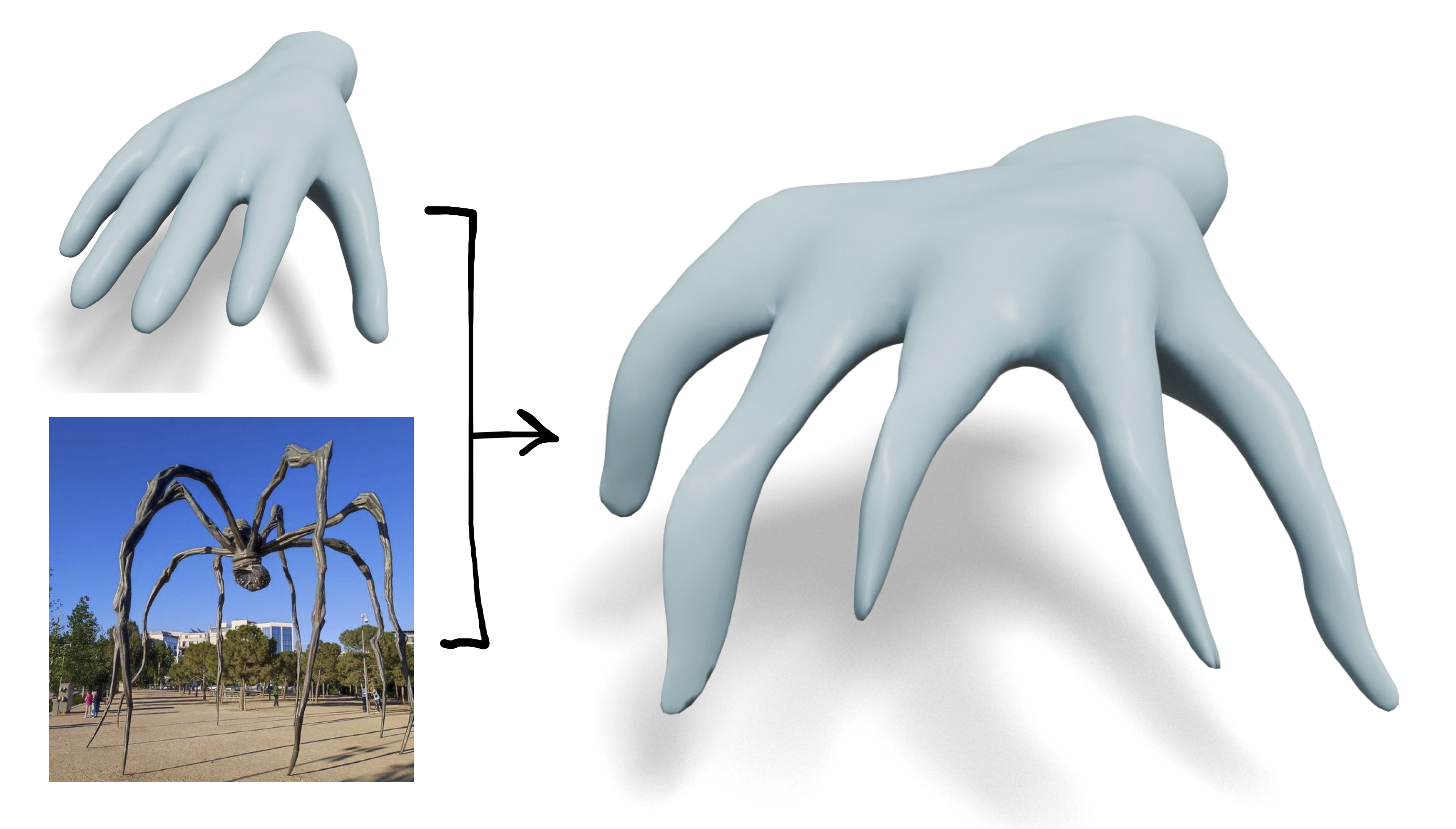
Image-Guided Geometric Stylization of 3D Meshes
In CVPR, 2026
Uses Score Distillation Sampling (SDS) loss as geometry-aware deformation signals for reference-guided 3D mesh stylization beyond texture transfer.
-
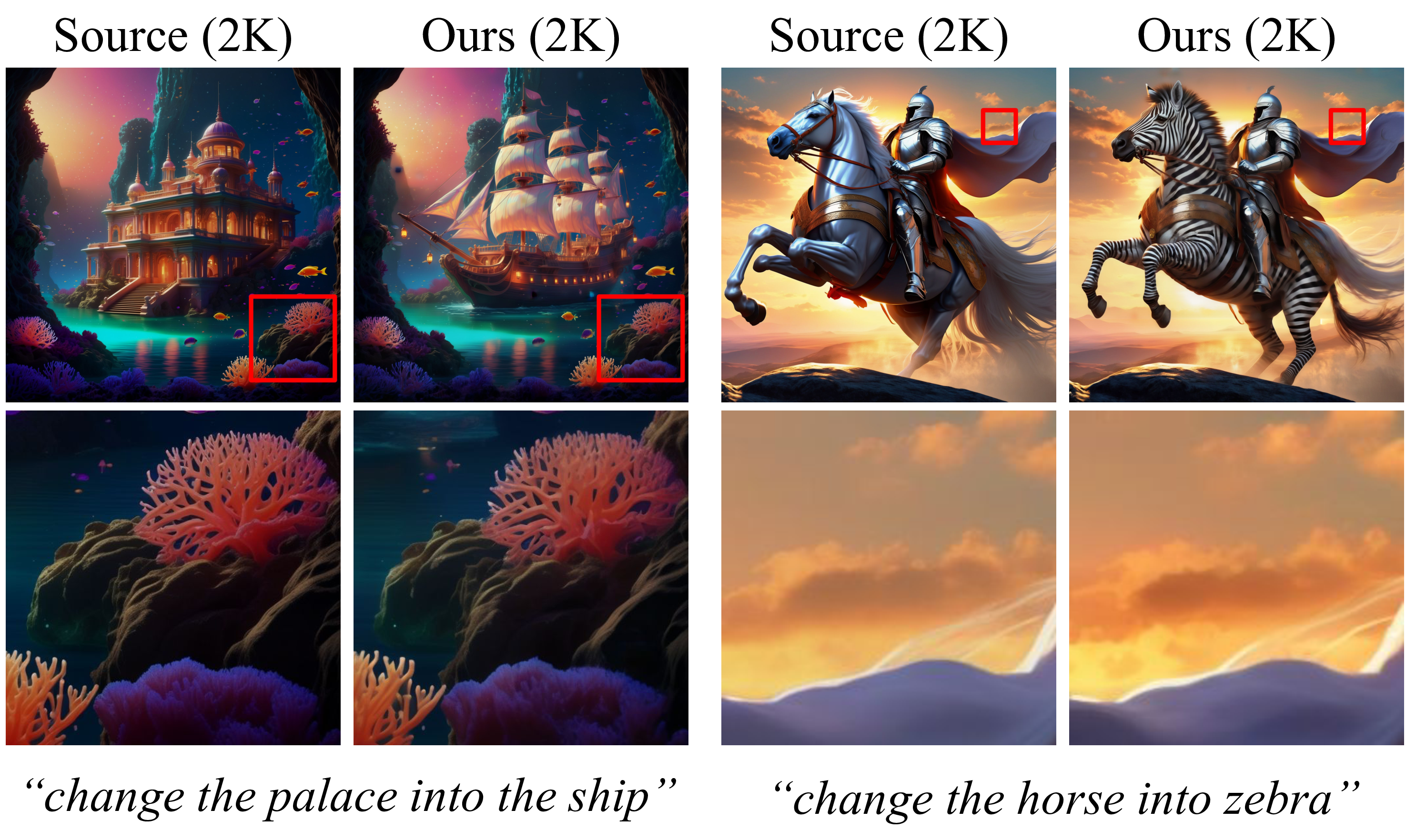
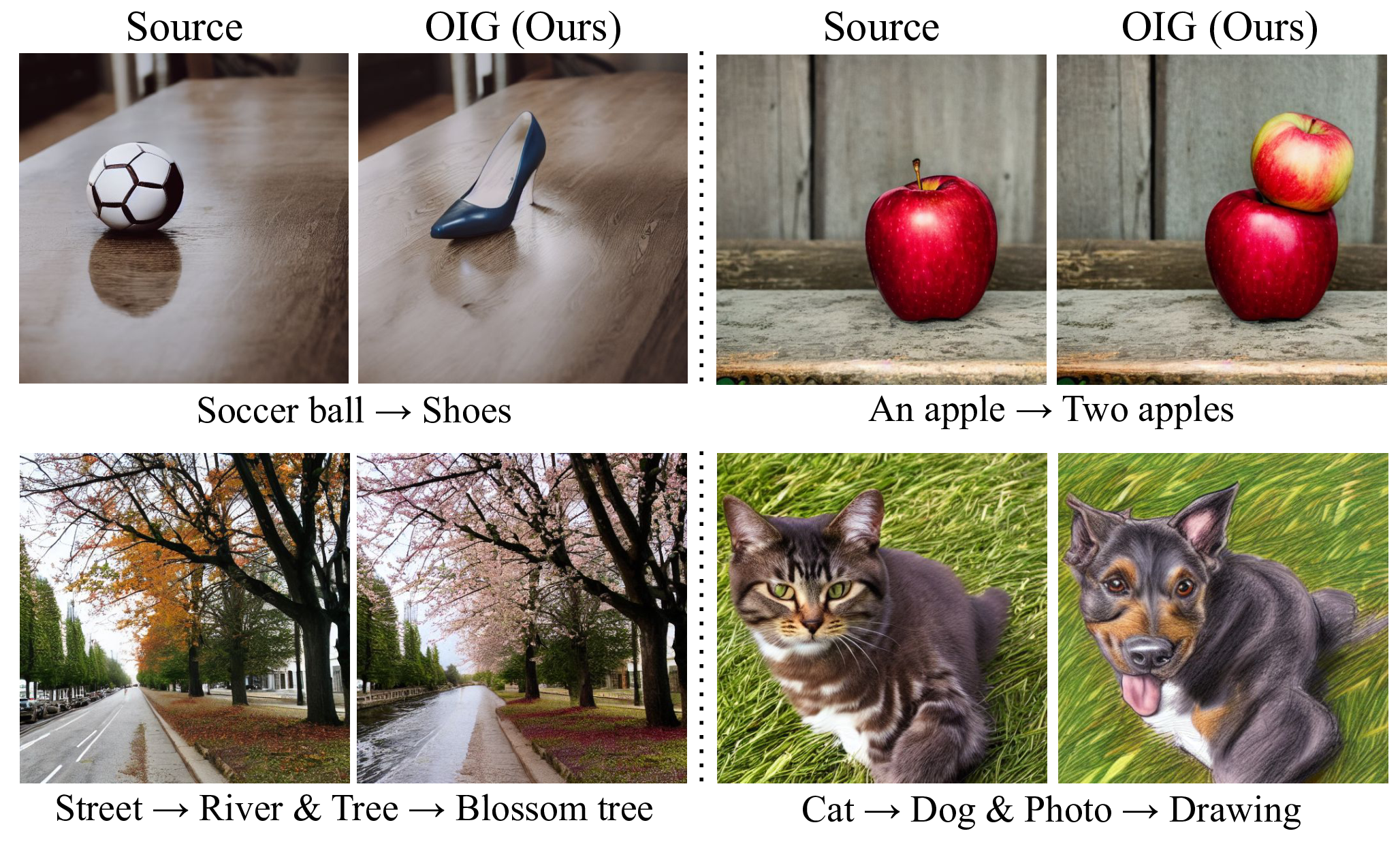
Low-Resolution Editing is All You Need for High-Resolution Editing
In CVPR, 2026
Scales image editing beyond 1K by using low-resolution edits as semantic references while transferring high-resolution details through synchronized patch optimization.
-
Point2Pose: A Generative Framework for 3D Human Pose Estimation with Multi-View Point Cloud Dataset
In WACV, 2026
Frames 3D human pose estimation from raw point clouds as conditional generation and builds a pose framework using diffusion and flow matching.
-
SyncSDE: A Probabilistic Framework for Diffusion Synchronization
In CVPR, 2025
Explains why diffusion synchronization works, identifies where correlation should be introduced, and unifies collaborative generation across images, motion, and 3D.
-
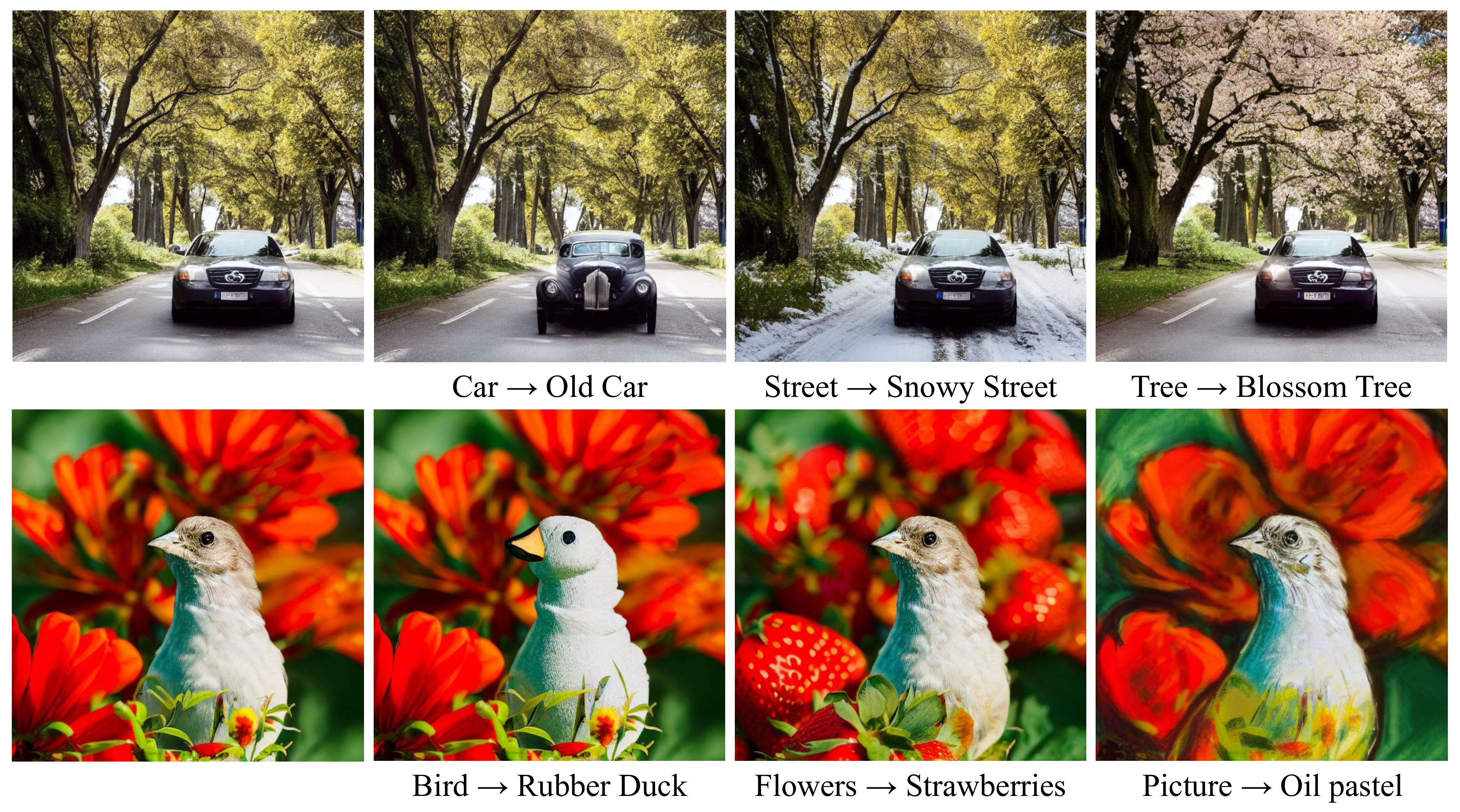
Diffusion-Based Conditional Image Editing through Optimized Inference with Guidance
In WACV, 2025
Introduces a tailored guidance mechanism for diffusion-based image editing, improving training-free text-driven edits while preserving source layout.
-
Conditional Score Guidance for Text-Driven Image-to-Image Translation
In NeurIPS, 2023
Derives a source-aware conditional score and attention mixup strategy for diffusion-based image editing, enabling prompt-specified region manipulation.
Education
Seoul National University Mar 2021 - Aug 2027 (Expected)
Seoul, Korea
B.S. in Electrical and Computer Engineering; Double Major in Mathematical Sciences
- Compulsory military service included (Aug 2023 - Feb 2025).
University of California, Irvine Jan 2026 - Jun 2026
Irvine, CA
Computer Engineering, Reciprocal Exchange Student via UC Education Abroad Program
Hansung Science High School Mar 2018 - Feb 2021
Seoul, Korea
- Early visual understanding projects formed the origin of my research in computer vision.
Research Experience
Seoul, Korea
Research Intern
- Advisor: Bohyung Han
- Conducting research on probabilistic token dynamics for transformer architectures.
- Previously conducted research on training-free, diffusion-based image-to-image translation.
Seoul, Korea
Research Intern
- Advisor: Jonghyun Choi
- Conducting research on neuroscience-motivated memory mechanisms for representation learning.
Irvine, CA
Research Intern
- Advisor: Stephan Mandt
- Conducted research on guidance methods for diffusion models in inverse problems and collaborative generation.
Seoul, Korea
Research Intern
- Advisor: Young Min Kim
- Conducted research on mesh deformation and versatile content generation with diffusion models.
Awards and Honors
Youlchon AI Young Researcher Scholarship ($5,300)
Aug 2026 Outstanding Reviewer (ECCV 2026)
Jul 2026 Korean Institute of Communication Sciences (KICS) Scholarship ($650)
Jun 2026 Korea-U.S. Advanced Technology Youth Exchange Program Scholarship ($9,000)
Dec 2025 SNU College of Engineering Creative Design Fair (Silver Prize, Research Track)
Sep 2025 Presidential Science Scholarship ($3,600)
Mar 2025 Young Engineers Honor Society (YEHS), an honor society under
NAEK Mar 2025 - Present Google Student Travel Grant ($1,500), financial support for attending WACV 2025
Mar 2025 SNU Earth Science Online Hackathon (3rd Prize, $2,000), tackling scientific problems with AI
Sep 2022 SNU Merit-based Scholarship, scholarship for high-GPA students
Aug 2021 - Mar 2025 Skills
Languages Korean (Native), English (Fluent)
Programming Python, C/C++, MATLAB, Git, PyTorch, TensorFlow, OpenCV
Academic Services
Reviewer NeurIPS (2025-2026), ICLR (2026), ECCV (2026), TIP (2026)
Assistant TA Introduction to Circuit Theory and Laboratory (2023)
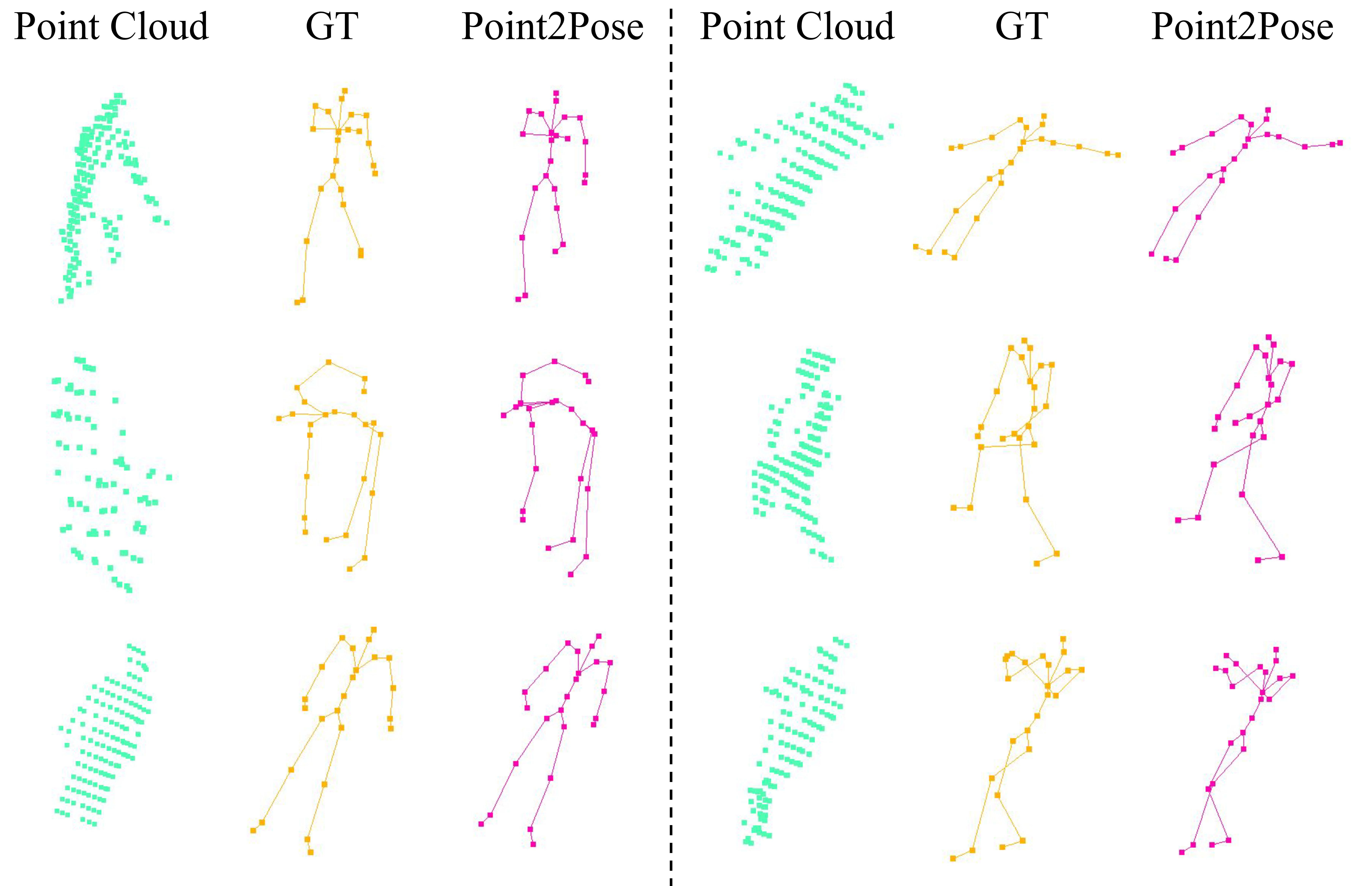 Point2Pose: A Generative Framework for 3D Human Pose Estimation with Multi-View Point Cloud DatasetIn WACV, 2026Frames 3D human pose estimation from raw point clouds as conditional generation and builds a pose framework using diffusion and flow matching.